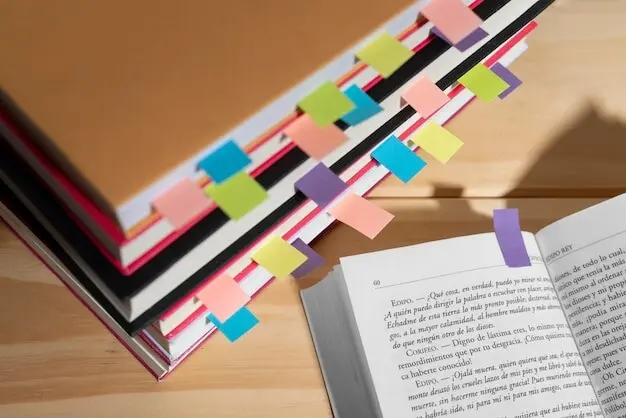

Friction kills capture, so start with the lightest possible jot: a sentence, a quote, a question. Protect momentum now, promise clarity later. During a calm review window, expand abbreviations, add a why, and choose a more durable title. This separation keeps ideas flowing while still converging toward quality, repeatable knowledge.

One note, one idea. When a note can travel alone without its neighbors, it becomes a robust building block. Favor concept-level titles over project labels, avoid mixing arguments, and include a brief explanation in your own words. Standing alone invites confident linking, reuse, and resilient understanding across contexts and years.

Instead of finishing everything today, add gentle layers. Start with a scratch summary, later bold the key line, then extract a distilled takeaway. These passes mirror how memory consolidates during sleep. A humble, iterative summary invites future you to refine, rather than abandon, the note when insights sharpen.

Choose titles that expose the concept, not the container. Verb-led or concept-first names reduce ambiguity: 'Checklists reduce cognitive load in emergencies' outperforms 'Ops Note 14.' Strong titles become linkable claims, aiding search and memory. Rewriting titles during review is a quick win that compounds navigability and understanding.
Overlinking dilutes meaning. Before adding a connection, write a short sentence explaining the relationship: contrasts, supports, extends, or challenges. If you cannot articulate the why, skip it for now. Quality beats quantity, and thoughtful annotations turn a graph of nodes into a map you can actually traverse.
Storage feels safe, but retrieval builds skill. Embed questions, cues, and contrasts so each note invites an active prompt. During review, close the pane and recall from memory before peeking. These micro challenges strengthen pathways, revealing missing links and encouraging you to improve explanations where recall falters.
Sketch quick diagrams, timelines, or comparison tables right inside notes. Pair images with concise captions that expose relationships, not decoration. Visual structure accelerates scanning and makes gaps obvious. Even ASCII doodles or rough outlines can trigger memory, especially when reviewed alongside text that explains the causal story.
Mix domains during review: alternate statistics with writing craft, or physics with philosophy. Contrasting neighboring ideas builds discrimination, which boosts transfer. Evergreen notes shine here because atomic scope lets you shuffle sequences deliberately. Capture when a contrast clarifies confusion, and link those moments so future passes recreate the insight.
All Rights Reserved.